
Perhaps we’ll look back on the 2020s as a time of profound transition and transformation. We’re witnessing a fascinating shift, the pendulum swinging back from our decades-long obsession with science, math, technology, and living purely in our heads. Instead, we’re rediscovering that our bodies, our hearts, and our gut instincts deserve an equal voice in how we navigate life’s choices.
My own awakening began in 2017, though I didn’t recognize it at the time.
When Logic isn’t Enough
For years, I was the poster child for analytical thinking. I put unwavering faith in science, best practices, and standardization. My formula was simple: understanding the process, perfecting the process, following the process, and productivity and quality would naturally follow. This approach served me well when everyone shared similar values and operated from the same playbook.
But then my gut started speaking up, making me queasy when I had to confront an uncomfortable truth: senior management didn’t care about the best practices and management principles I’d learned in business school.
I watched stakeholders engage in corporate tug-of-war, where those in power pursued hidden agendas while many employees remained blindsided by the ultimate goals. Around the same time, I found myself rolling out yet another “revolutionary” standard that I genuinely believed in, only to watch it fail because the critical prerequisites for change simply weren’t there.
Until that point, I’d spent the better part of my career implementing tools and software that genuinely helped people, companies, and teams. I witnessed real benefits. But the relentless pressures from evolving markets, combined with the hard launch of transformative technologies like robotics and AI, completely changed the business landscape. Entire careers shifted overnight, forcing all of us to adapt to new perspectives, reassess our skills, and reimagine our roles in this brave new world.
Learning to Trust What My Body Knew All Along
Here’s the thing: I wasn’t completely disconnected from my body’s wisdom. In fact, it was my gut that had been trying to warn me back in 2017. But trusting those bodily sensations? That wasn’t in my toolkit.
During my career transition, I started hearing about something called “embodiment”, the idea that our bodies can truly inform us about how information affects us and guide our next steps. I’ll be completely honest: it sounded like complete woo-woo nonsense to me. I laughed at some concepts.
But curiosity got the better of me, and as I dove deeper into this education, starting with neuroscience to make it feel more legitimate, I discovered something magical. It was as if the entire universe I’d been blind to suddenly opened before me.
Rewriting Descartes: “I Feel, Therefore I Am”
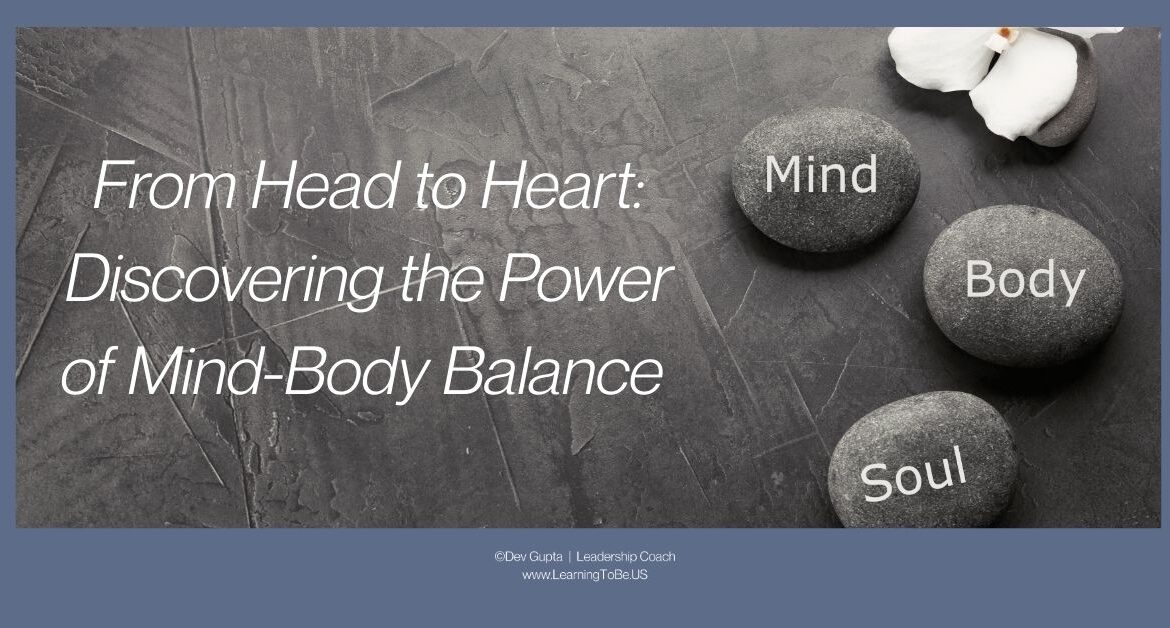
I had to adjust my worldview slightly. In addition to Descartes’ famous quote, “I think, therefore I am,” I needed to embrace “I feel, therefore I am.” This meant finding balance between head and heart, a radical concept for someone like me and my data-driven colleagues who had spent careers discounting emotions.
We had to learn to tune into our emotional lives, understand them, and stir them into the pot alongside our thoughts and cognitive understanding.
When I started testing this embodiment approach, the results shocked me. Working with clients who felt confused or blind to the daily stresses in their lives, I began sprinkling in these embodiment-based questions. In one unforgettable example, it took less than two minutes for a client to name the source of their anxiety simply by tuning into what their body was telling them.
Becoming a Convert
Witnessing transformations like this turned me into a superfan of embodiment, what’s also known as the somatic approach. I was genuinely in awe of how I’d missed this enormous dimension of the human experience. Then again, my background was computer science and business school, followed by years in tech companies. I even felt a twinge of jealousy for creatives like actors and dancers, or athletes who had always needed to stay connected to their bodies and emotions as part of their craft.
These days, I practice mindfulness daily. I engage different parts of my brain through creative activities like watercolor painting. And I’m delighted to share that I write the drafts of these blogs using the speech-to-text feature on my iPhone, eyes closed, just letting my thoughts flow freely.
Your Journey Awaits
Where are you on your own journey toward mind-body balance? Whether you’re just beginning to question the purely analytical approach, or you’re already exploring ways to integrate your emotional and physical wisdom, there are concrete steps you can take to round out your skills and experience life more fully in our rapidly changing world.
The question isn’t whether you should make this shift, it’s how quickly you’ll allow yourself to discover what your whole self has been trying to tell you all along.
If you’d like some support on this journey, I’d love to explore how coaching might help you move forward. Book a complimentary call – no pressure, just a conversation about what’s possible for you: https://L2BAppointments.as.me/IntroWebsite
Copyright © 2025 Devashri Gupta. All rights reserved.
